
Complete Guide to Professional Nickel Electroplating
Nickel electroplating is one of the most versatile and essential metal finishing processes. Whether you are aiming for a high-luster decorative finish, a smooth functional buildup, or a corrosion-resistant barrier, mastering nickel plating comes down to understanding your bath types, proper part preparation, and precise operational control.
This guide covers the three primary nickel plating styles—Bright, Satin, and Matte—along with practical advice on workflow layout and visual documentation to help you build a professional resource page.
Before starting any project, selecting the correct nickel formulation for your application is critical. Each type serves a distinct mechanical and aesthetic purpose:
Part 1: Choosing Your Nickel Plating Bath
- Bright Nickel Plating: Formulated with primary brighteners/levelers and specialized wetting agents, this bath produces a mirror-like, hard deposit. It is primarily used for decorative purposes and significantly reduces post-plating buffing time by smoothing out micro-scratches.
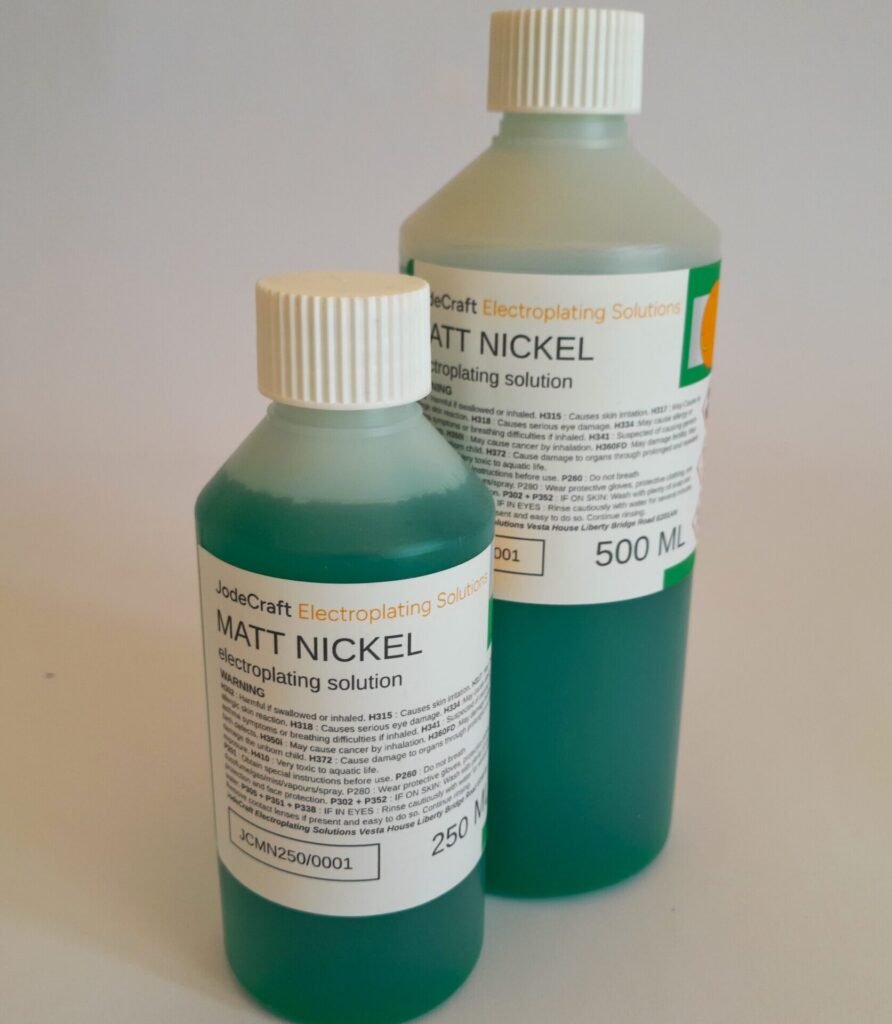
- Matte Nickel Plating: A clean, additive-free or minimally modified bath (often utilizing a simple surfactant) that produces a fine-grained, highly ductile, light-gray matte finish. Matte nickel is ideal when you intend to mechanically polish the final layer, build up thick functional layers, or apply a classic vintage aesthetic.
- Satin Nickel Plating: A specialized aesthetic finish that diffuses light to create a soft, velvety appearance (often resembling brushed stainless steel or frosted metal). It provides the corrosion resistance of nickel without a harsh, reflective shine.

/i
Part 2: Step-by-Step Nickel Plating Workflow
To achieve maximum adhesion and flawless visual results, follow this systematic workflow for all nickel plating processes:
- Mechanical Cleaning & Polishing: Remove all existing rust, scale, and heavy oxidation using mechanical abrasion, wire brushing, or tumbling. The smoother your initial substrate, the better your final nickel luster will be.
- Degreasing: Strip away all workshop oils, fingerprints, and machining lubricants using an alkaline cleaner or specialized solvent degreaser, followed by a thorough rinse in clean running water.
- Pre-Plate Activation (Pickling): Submerge your cleaned metal part in a mild pre-plate activator (such as a dilute citric acid or acid salt solution) to strip microscopic oxide films and activate the metal surface for bonding. Rinse thoroughly.
- Substrate Strike (If Required): For reactive metals like steel, brass, or zinc, apply a preliminary strike layer (such as an alkaline copper or nickel strike) to guarantee superior adhesion before entering your main nickel bath.
- The Nickel Plating Bath: Suspend your prepared workpiece (cathode) securely from clean copper or titanium wiring between your nickel anodes. Power on your DC power supply, adjusting your voltage and current density according to your bath size and metal surface area. Agitate gently if required.
- Post-Treatment & Sealing: Once the desired plating thickness is achieved, remove the part, rinse thoroughly in clean water (and optionally distilled water to prevent staining), and dry immediately. Finish with a protective clear coat or wax if required.
Part 3: Troubleshooting Common Nickel Issues
- Pitting or Pinholes: Usually caused by hydrogen gas bubbles clinging to the workpiece. Solution: Ensure your bath includes a quality wetter to lower surface tension, and introduce gentle mechanical agitation or workpiece movement.
- Cloudy or Hazy Bright Nickel: Often indicates organic contamination, improper brightener balance, or incorrect bath temperature/pH. Solution: Check your bath parameters and use carbon filtration if organic impurities build up.
- Poor Adhesion (Peeling/Flaking): Almost always stems from inadequate surface preparation or grease residue. Solution: Re-evaluate your cleaning and acid activation steps; water break tests should pass completely before plating.