
Zinc electroplating is the premier method for providing robust, sacrificial corrosion protection to steel and iron substrates. Whether you are safeguarding automotive components, architectural hardware, or custom metal fabrications, mastering zinc plating relies on precise bath control, proper surface activation, and understanding your formulation types.
This comprehensive guide covers the essentials of zinc electroplating—including formulation styles, step-by-step workflows, and troubleshooting tips for your technical help library
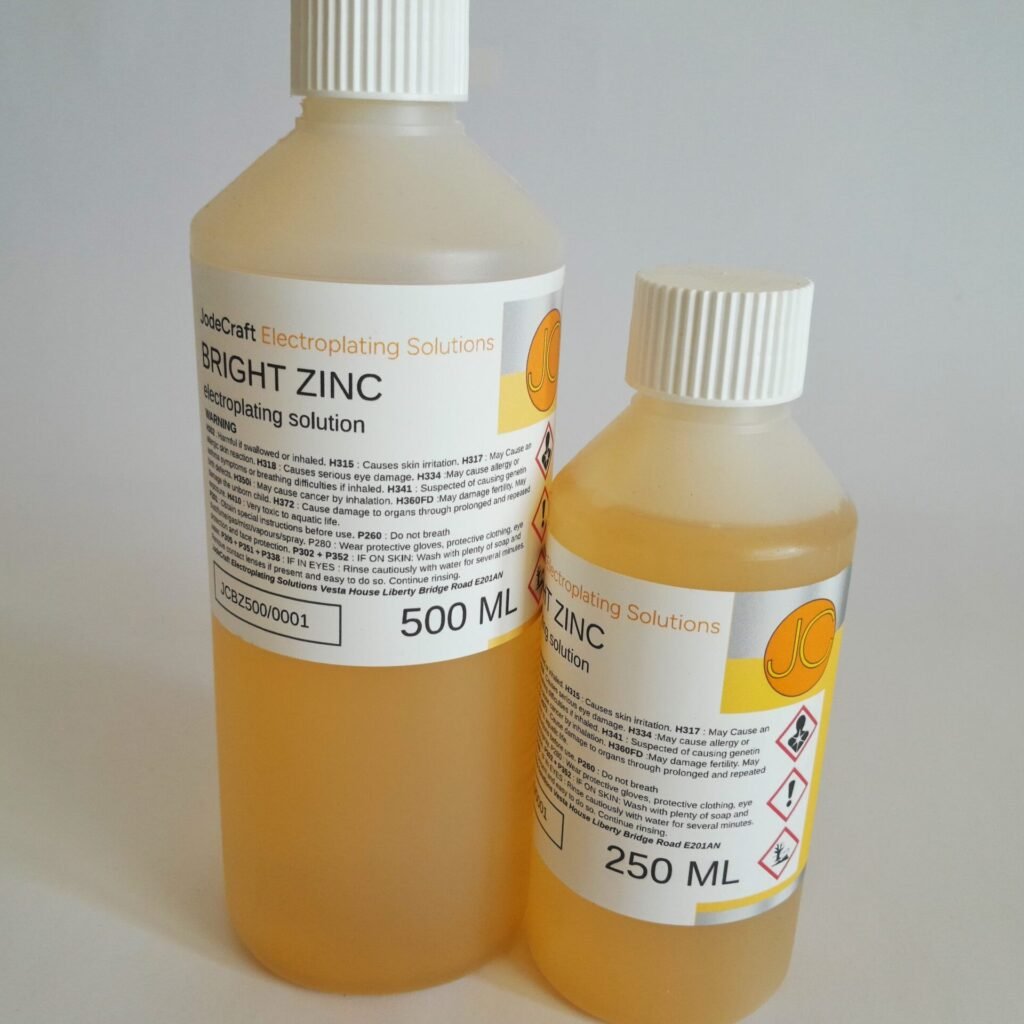
Part 1: Understanding Zinc Plating Formulations
Before starting your project, selecting the correct zinc electrolyte is essential for achieving the desired deposit structure and corrosion resistance:
- Acid Zinc Plating: Formulated with conductive salts and specialized brighteners, acid zinc baths offer high deposition rates and exceptional leveling. They produce a brilliant, mirror-like finish right out of the tank and are ideal for general workshop and decorative-protective applications.
- Alkaline / Non-Cyanide Zinc Plating: Operates at a higher pH without toxic cyanide compounds, providing exceptional throwing power. Alkaline zinc baths excel at evenly coating complex, recessed geometries and deep cavities where current distribution is difficult.